Care & Maintainance of your Kitesurfing Board
Extend the Lifespan of your Twintip oder Directional Board
How to Care for Your Kiteboard
Proper Kiteboard Care helps keep your Board in good condition and ready for every session. Whether you ride a Twintip or Directional, regular cleaning, careful inspection and correct storage can help protect your Board and reduce unnecessary wear. Our Kiteboard Care & Maintenance guides provide practical tips to help you look after your Board and extend the lifespan of your Gear.
Table of Content
How do I take best care of my Twintip Kiteboard or Directional Surfboard?
Proper board maintenance helps extend the lifespan of your Twintip kiteboard or surfboard, preserve performance, and reduce the need for costly repairs. Whether you ride a twintip or a directional board, following these care tips will keep your equipment in excellent condition.
This general maintenance guide applies to all Duotone boards, whether they are used for windsurfing, kiteboarding or wing foiling.
Rinse your board after every session
After each use, rinse your board with fresh water to remove salt, sand and debris. Use a mild soap and water solution to remove any stubborn dirt or grime. Avoid using harsh chemicals or abrasive cleaners, as they could damage the board’s surface.
Take particular care when cleaning metal components such as track inserts, mast feet and fin screws.


Store your Board correctly
Store your board in a cool, dry place away from direct sunlight when not in use. Avoid areas exposed to extreme temperatures or humidity, as these conditions can damage the board’s materials over time.
Inspect your board regularly
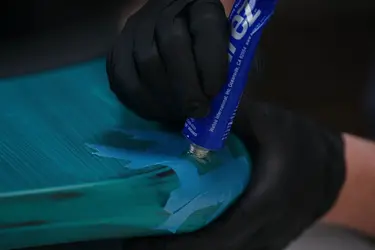
Regularly check your board for signs of damage, including cracks, dings or delamination. Repair any damage promptly to prevent it from getting worse and affecting the board’s integrity.
Protect your board at the beach
Do not leave your gear in the sun for long periods. When you're off the water, keep your board in the shade whenever possible. Prevent impacts from rocks, shells, and other hard objects that can damage the rails, bottom, or deck.

How do I take best care of my kiteboard Footstraps?
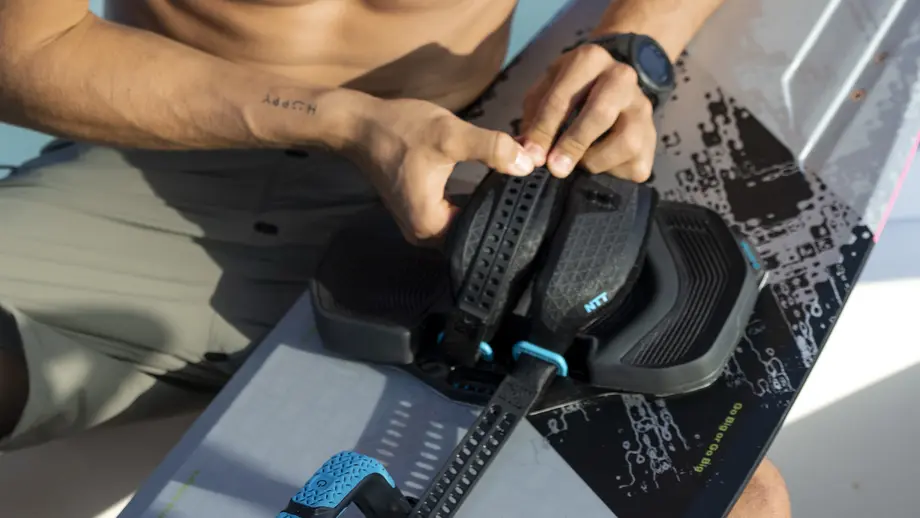
Your footstraps and pads are the direct connection between you and your board. Proper maintenance helps keep them comfortable, secure, and fully adjustable while extending their lifespan and maintaining optimal performance.
Rinse after every session
After each session, rinse your footstraps and pads thoroughly with fresh water. This removes salt and sand that can stiffen the fabric, damage the Velcro and adjustment mechanisms, or corrode the mounting screws.
Pay particular attention to the Velcro and sliding adjustment mechanisms. Adjust the straps while rinsing them to help remove any trapped sand.

Protect against sun and UV exposure
Store your board in a board bag or keep it in the shade when not in use. Prolonged exposure to direct sunlight can make the EVA foam brittle and fade the footstrap fabric.
Inspect footstraps and pads regularly
Check webbing, stitching, and adjustment straps for signs of wear or fraying. Inspect plastic stiffeners and adjustment components for cracks or deformation.
Replace worn or damaged parts before they affect comfort, fit, or safety.
Check mounting screws
Periodically check that the mounting screws are tight, as they can loosen over time while riding. The screws should be secure, but avoid overtightening them, as this could damage the inserts in the board.

How do I take best care of my kiteboard fins?
Your kiteboard fins play a crucial role in upwind performance, grip, and overall board control. Keeping your fins in good condition helps maintain efficient water flow, prevents unwanted vibrations, and ensures consistent performance on the water.
Rinse your fins after every session
After each session, rinse your fins and fin bolts with fresh water. This prevents salt deposits from building up in the screw heads, making the fins easier to remove when needed.
Protect your fins during storage and transport
Use a board bag or fin covers when transporting or storing your board. Fins can be sharp and may damage a kite canopy, another board or other equipment.
Inspect fins for damage
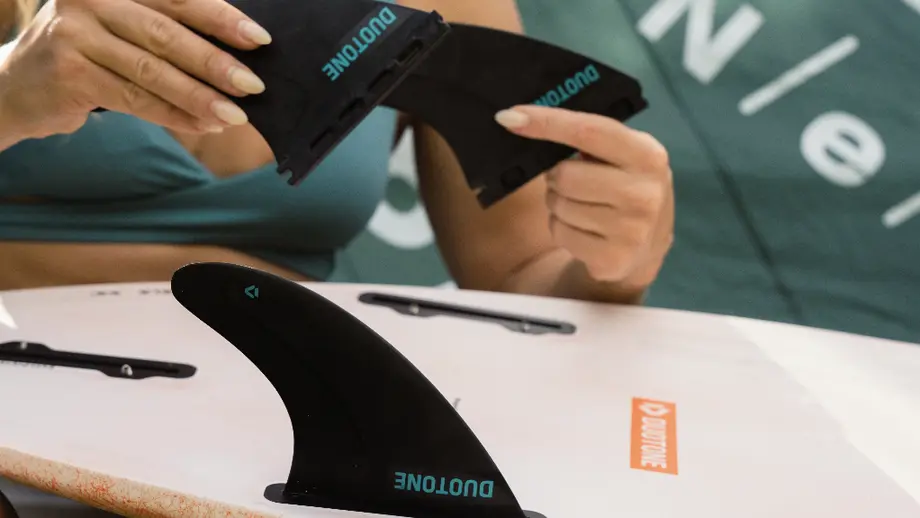
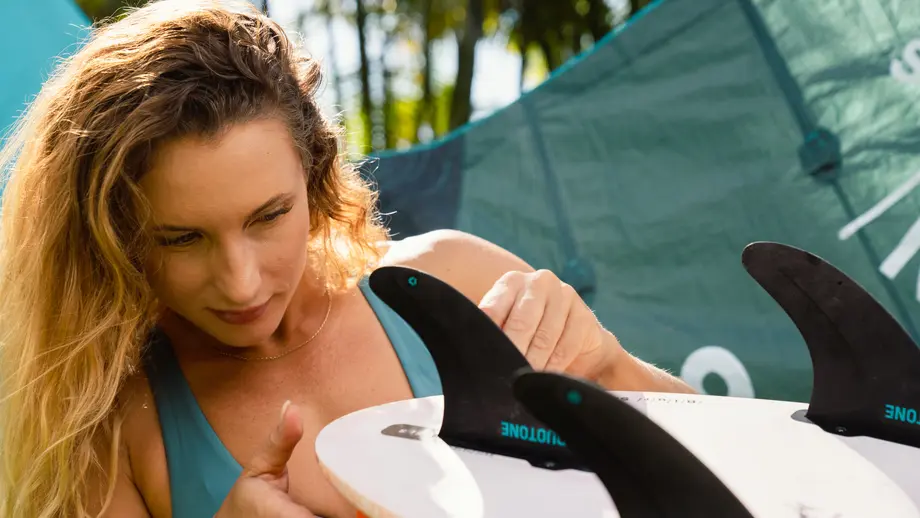
Regularly check your fins for chips, scratches and signs of structural damage. If the fins have been scratched by sand or rocks, use fine-grit wet sandpaper of 800 grit or higher to carefully smooth the leading and trailing edges.
Check for structural weakness
Check the base of each fin for pale or white stress marks, as these may indicate structural weakness following an impact. Replace the fin if its strength is compromised.
Check fin bolts before riding
Check that the fin bolts are secure before every session, as vibrations can loosen them over time. Tighten them firmly, but avoid overtightening them, as this could damage the board’s inserts.

How do I take best care of my foil for kiting?
A kite foil (hydrofoil) is a high-performance precision system designed for maximum efficiency, speed, and control. Regular maintenance helps preserve performance, prevent corrosion, and extend the lifespan of your foil, especially when riding in saltwater conditions.
Rinse your Foil after every session
After each session, rinse the entire foil thoroughly with fresh water. Pay particular attention to the connection points, bolts and threads.
Disassemble your foil regularly
Regularly disassemble the wings, mast and fuselage, especially when using the foil in salt water. Salt trapped between metal components can cause galvanic corrosion and make the bolts difficult or impossible to remove.


Store your Kite Foil properly
Allow all components to dry completely before storing them. Use padded covers when storing or transporting the wings, as carbon components and trailing edges can be damaged by impacts.
Inspect components for damage
Regularly check the front wing, stabilizer, mast and fuselage for cracks, chips or other signs of damage. Pay particular attention to the trailing edges. They should be smooth, clean and free from damage, as chips can cause vibrations and affect performance.
Check hardware before every session
Before every session, check that all components are correctly assembled and that the bolts are secure. Tighten them according to the product manual and avoid overtightening. When the foil is not in use, keep it in the shade and avoid leaving it exposed to direct sunlight for long periods.

How do I take best care of my kiteboard binding?
Your kiteboard bindings are your direct connection to the board, providing comfort, support, and control during every session. Proper maintenance helps extend the lifespan of the materials, keeps adjustment systems functioning smoothly, and ensures a secure fit on the water.
Rinse your bindings after every session
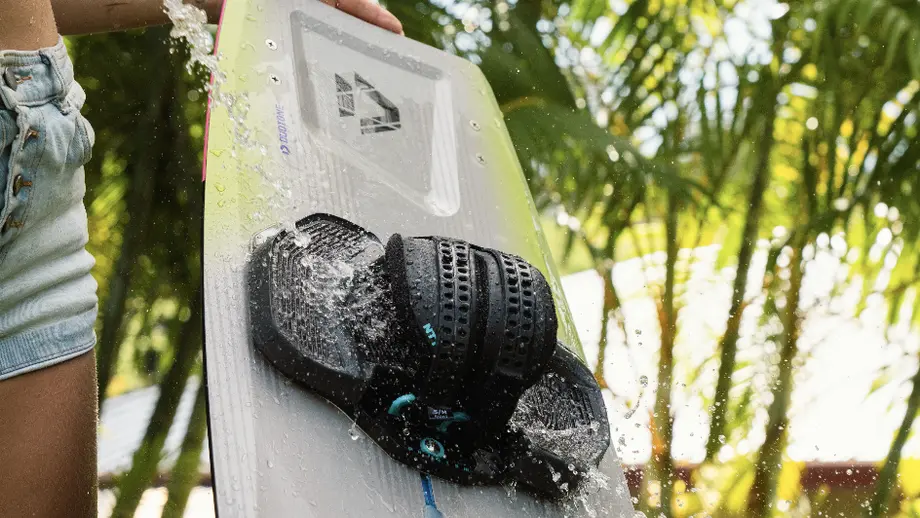
After each session, rinse your bindings thoroughly with fresh water. Pay particular attention to the internal padding, Velcro, laces and adjustment straps, as salt can cause these materials to harden or crack.
Use low-pressure water to remove sand trapped inside the boot liners or adjustment mechanisms. Sand can wear down the stitching and foam over time.
Dry and store your bindings properly
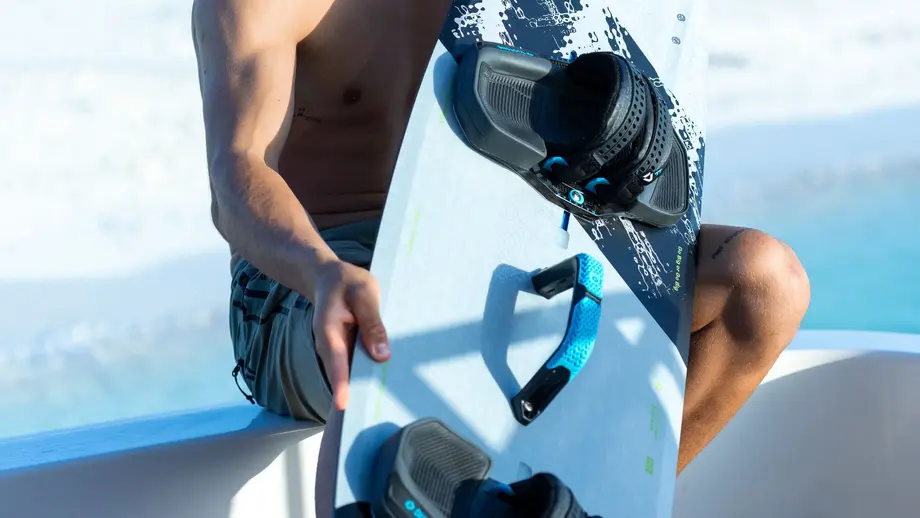
Allow the bindings to dry completely before storing them. Keep them away from direct sunlight, heaters and other sources of intense heat, as high temperatures can damage the glue, baseplates and EVA foam.
Inspect components regularly
Regularly check the foam, stitching, laces, straps and adjustment mechanisms for signs of wear or damage. Replace any damaged components before using the bindings again.
Check mounting hardware
Check that the mounting screws are secure before every session. Tighten them by hand and avoid using power tools, as overtightening can damage the board’s inserts.
Remove the mounting screws periodically and rinse both the screws and the board inserts with fresh water. This helps prevent salt deposits and corrosion from causing the hardware to seize.

Important Safety & Liability Notice
Before you start any repair, make sure you carefully assess whether you are able to carry it out properly. If your product is still under warranty, performing repairs on your own may void the warranty for the affected damage.
Our guides and videos are created to the best of our knowledge. However, they may not cover every detail or specific situation. We do not accept liability for any damage resulting from the use of incorrect or misunderstood instructions.