
What Kite Progression Actually Feels Like
Progression isn't always about landing the next big trick. Sometimes it's about falling, figuring out what went wrong, changing your approach and celebrating the small breakthroughs along the way.
In our last story, you met Tristan, Tanguy and Achille: three French friends who threw their kiting gear and a few cameras into their van and set off for Ireland. Five years into their kiting journey, they were hungry to improve. They wanted to push themselves, try new things and see how far they could take their riding, while having one hell of a road trip along the way.
They'd deliberately chosen somewhere different from the usual picture-perfect kite destinations. No turquoise lagoon or palm-lined flatwater paradise. Instead, they were excited about exploring a wild Atlantic coastline, with plenty of wind, uncrowded spots and enough space to try things, mess things up and try again.
They also wanted to share the journey, the real version of it. They were frustrated by how far the reality of learning the sport can feel from what you see online. The crashes, the repetition, the frustration and the tiny breakthroughs rarely make it into the picture.
Because real progression isn't always pretty.
You fall. You repeat the same mistake. You wonder why the hell you're swimming back to your board yet again. But then, in another session, something suddenly clicks.
A tiny jump. A smooth landing. Sticking a new trick for the first time, or really connecting with a wave through one beautifully timed turn. Maybe nobody watching from the beach would even notice. But when you've been working on something for days, those moments can feel huge.
Where They Started
The three friends came to Ireland with clear goals for their riding. They weren't just looking to get more hours on the water. They each had something specific they wanted to improve.
For Tristan, it was jumping higher and learning to ride strapless. Achille wanted to jump higher and learn how to grab. And Tanguy was focused on executing clean transitions and starting to jump.
The Plateau
Of course, wanting to improve and actually seeing that improvement are two very different things.
All three experienced moments where they felt stuck, doing the same thing over and over without feeling like much was changing.
And that's the frustrating thing about a plateau: you're putting in the time and the effort, but from one session to the next, nothing seems to change.
“You feel like you're repeating the same mistakes and spending more time falling than actually riding. After a while, swimming back to your board and getting back up again starts to get a little annoying!”
So instead of simply trying harder and hoping things would eventually click, they started looking more closely at why things weren't working.
What Changed
Simply repeating the same thing over and over wasn't going to get them unstuck. So after each session, the three friends started breaking things down.
They'd talk about what had happened on the water, watch their footage back and try to figure out what they could change for the next session. They also used the Duotone Academy App to watch tutorials, understand the theory behind what they were trying to do and find ways to improve, reduce crashes and make the learning curve smoother.
Having three riders at different levels turned out to be a real advantage, too. Sometimes, you simply can't see what you're doing wrong yourself. Someone else can.
“After each session, we would talk about what happened and watch the footage together. We looked at our mistakes, tried to understand what we were doing wrong and discussed what we could change in the next session.”
And that's probably one of the biggest lessons from their trip: more attempts aren't always the answer. Sometimes you need to stop, look at what you're doing and change your approach.
A Clear Goal
Another thing that helped was having a clear idea of what they wanted to work on before getting on the water.
Rather than just going out and hoping to improve, setting a specific goal gave each session a real focus. Get more comfortable in the air. Try a small jump. Stay on the strapless board a little longer.
It also gave them a clearer way to look back on each session. Did it work? What went wrong? What could they do differently next time?

The Breakthrough
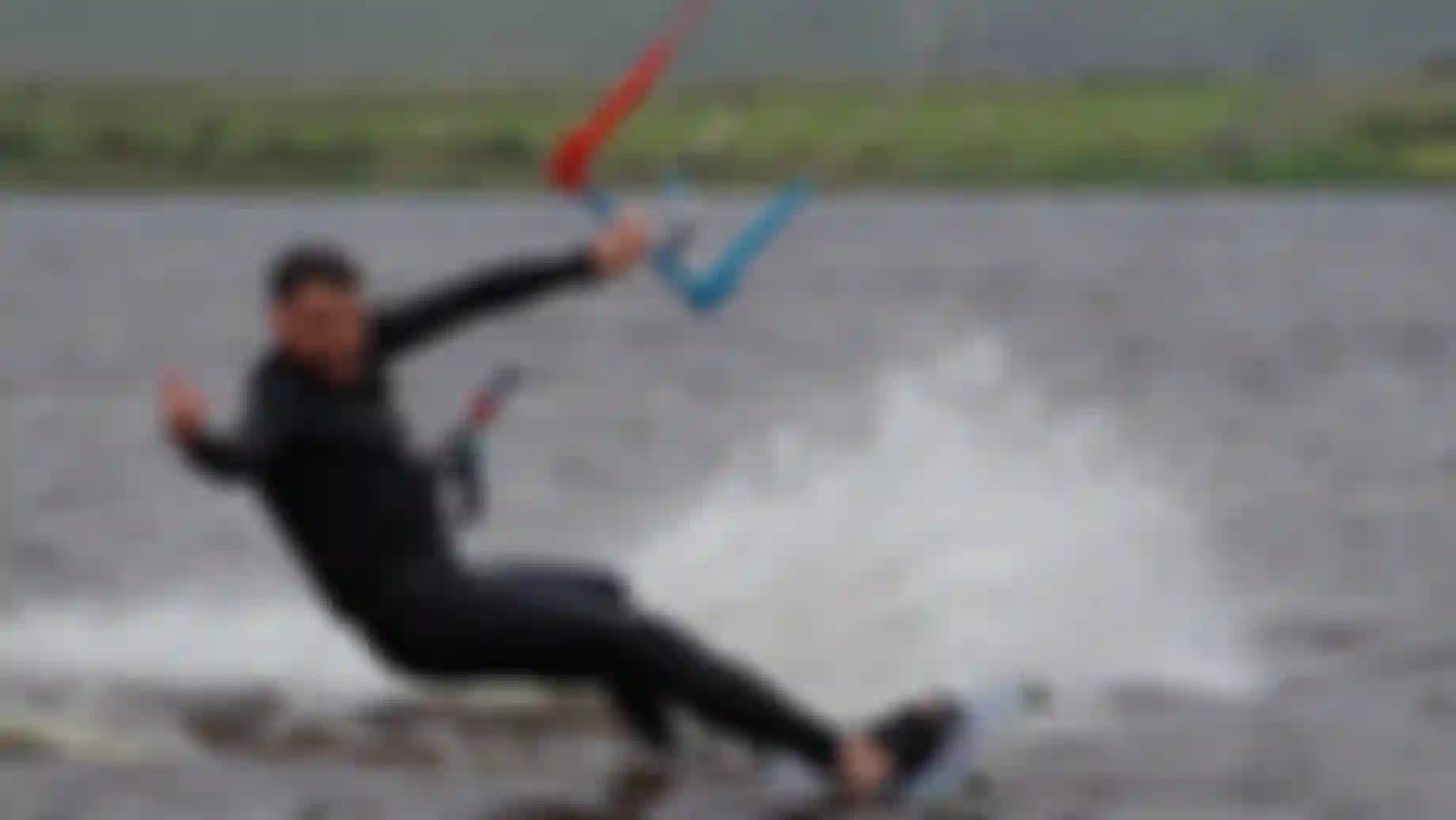
And then there are those sessions when something finally starts to click. After all the repetition, crashes and small adjustments, you suddenly feel a difference.
For Tristan, the big progression came from learning to ride strapless. He had never really done it before the trip, so simply getting on the board and starting to ride, even with a few crashes, was already a big step.
For Achille, the breakthrough came with jumping. As the sessions went on, he became more comfortable jumping higher and controlling the kite in the air. By the end of the trip, he was feeling much more confident with his jumps and able to push himself further.
For Tanguy, the focus was on executing cleaner, more consistent transitions. As his transitions improved session by session, he gained the confidence to take the next step and try a few small jumps.
And that's the thing about progression: what looks like a small step from the outside can feel like a massive breakthrough when you've been working towards it.
Lessons From the Trip
Progression isn't only fuelled by time on the water. It's also about how you approach the time between sessions.
Looking back, they felt they could have used the Duotone Academy App even more deliberately, structuring their progression around the specific skills they wanted to work on.
Before heading out, they studied the forecast and used satellite imagery to understand the coastline and work out where the wind might work best.
“It's still exciting to discover a spot on a map, look at the coastline and think, ‘This could actually work.’ Then you drive there, rig up and realise that all the research was right. That feeling is really rewarding.”

Knowing When to Push and When to Back Off
The trip also reinforced an important lesson: nature always has the final say.
You can set yourself a goal, study the forecast and be desperate to finally land that trick. But if the wind isn't right, you haven't got the right gear, or things don't feel safe, there's no reason to push it.
“The biggest thing is probably staying humble in front of the elements. Nature is always the one making the final decision.”
Progression is important. Getting home safely is more important.
Watch Their Progression Journey.

Keep Progressing
The Ireland trip showed Tristan, Tanguy and Achille that progression can be smoother and more rewarding when you approach it with a bit of structure. That's one of the amazing things about our sport: there's always something else to learn. A new trick to try. A different board to step on. A small detail to work on. And sometimes, another plateau waiting around the corner.
The plateaus are part of the game, and a fair price for all the stoke.
The key is to have something specific to work towards and be willing to change your approach when things aren't working. Set yourself a goal. Learn from the people around you. Review what happened and go back out with something new to try.
The Duotone Academy App is a valuable tool in that process, with tutorials, theory and advice to help you work on specific skills between sessions and approach your progression with more structure.
“When you've been trying something for days and finally land it, there's a real sense of achievement. Then you watch the footage and realise it doesn't quite look like the videos of the pros!”
But that's the point. Progress doesn't have to look impressive to anyone else to feel like a breakthrough.